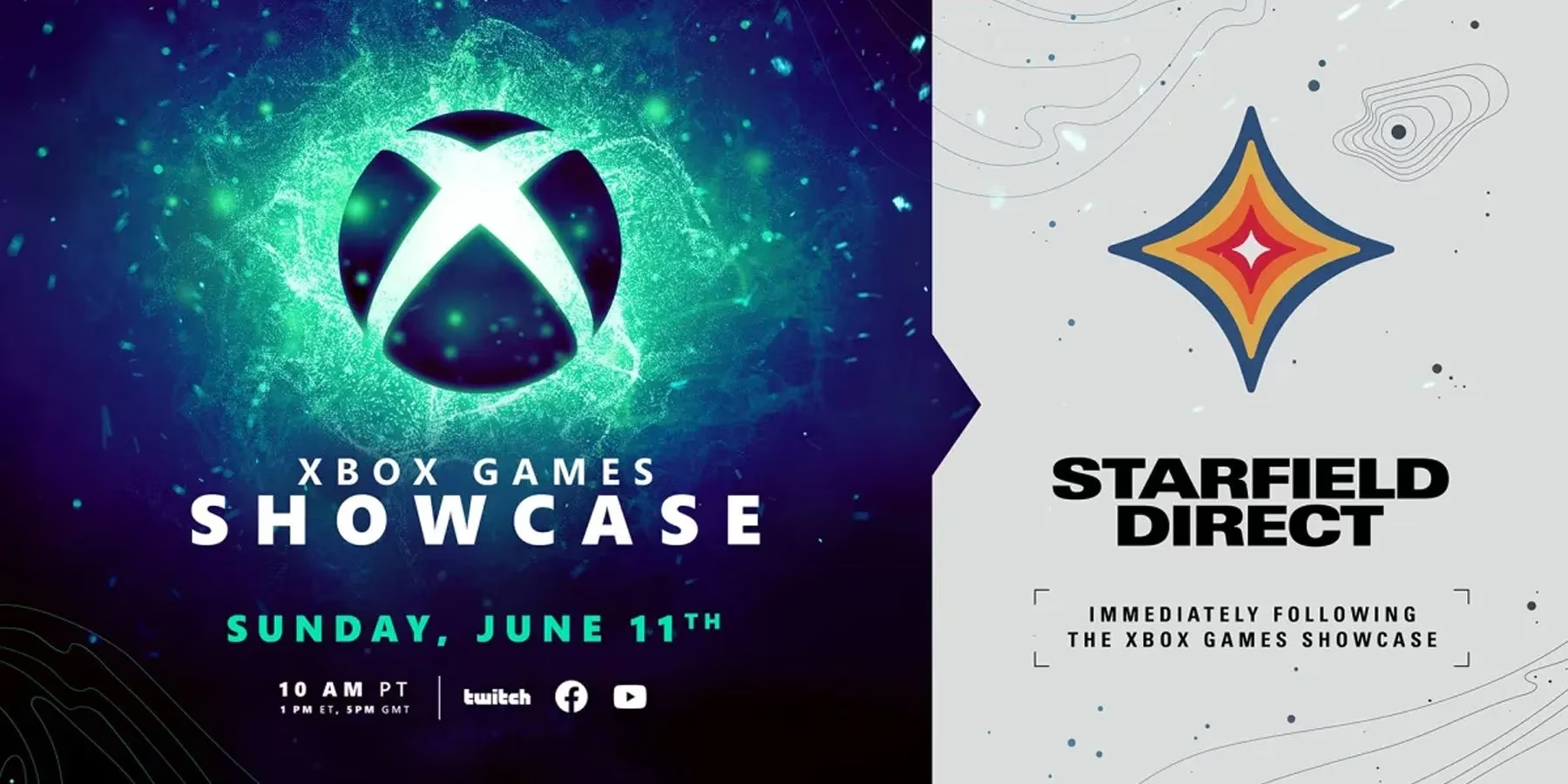
As the digital curtains prepare to rise on Microsoft's 2026 Xbox Games Showcase, the gaming community is abuzz with a mixture of anticipation and cautious optimism. The event, set to be streamed live across major platforms, represents not just a preview of upcoming titles but a statement of intent from the tech giant. Following a period of recalibration, Xbox is positioning this showcase as a return to core principles, emphasizing substance over spectacle and learning from past missteps in its public communications strategy.
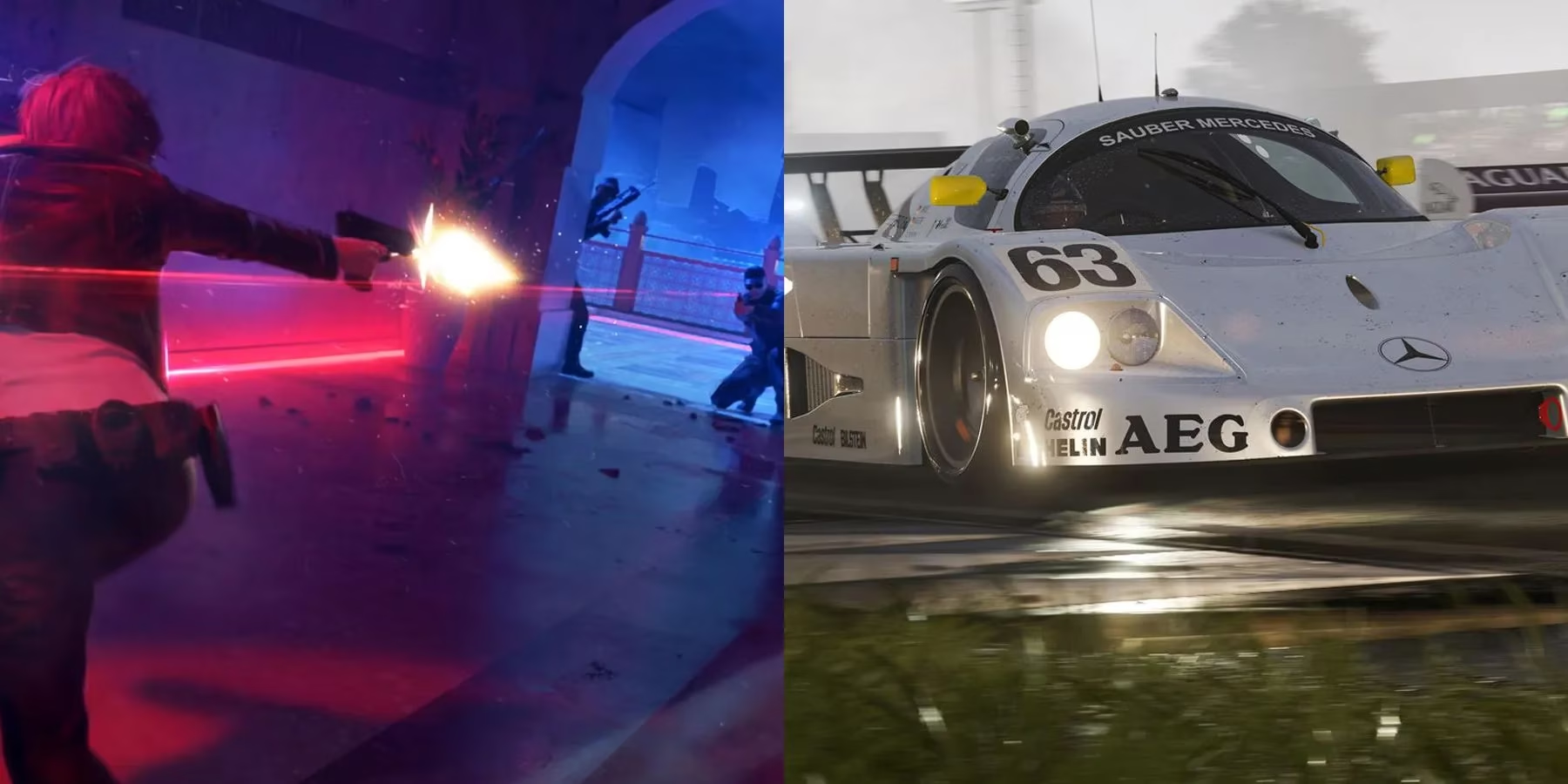
A cornerstone of this renewed philosophy is a firm commitment that has become as rare as a flawless speedrun: the absence of full CG trailers for first-party reveals. Microsoft has pledged that every first-party game featured will be shown using in-game or in-engine footage. This policy shift, a direct response to industry-wide criticism of overly cinematic but gameplay-light presentations, aims to provide fans with a more authentic window into their future gaming experiences. It’s a promise that transforms the showcase from a mere marketing sizzle reel into a veritable architect's blueprint, showing the foundational structures of upcoming worlds rather than just polished concept art. While this doesn't guarantee extensive, uninterrupted gameplay demos, it signals a move towards transparency, ensuring that what is shown has a direct correlation to the final product players will eventually control.
This focus on tangible footage is widely seen as a strategic counterpoint to the approach of competitors. The memory of showcases heavy on pre-rendered cinematics but light on interactive proof remains fresh. Xbox itself is not immune to this history, with fans still awaiting substantial gameplay looks at long-anticipated projects. The 2026 showcase, therefore, carries the weight of demonstrating a new, more grounded era for Xbox marketing—one where trailers are less like theatrical movie previews and more like forensic evidence of a game's actual state.
Perhaps the most significant evolution in strategy is the explicit abandonment of the overly ambitious "12-month release window" promise that defined—and ultimately hampered—previous events. The 2022 pledge, which aimed to show only games slated for release within a year, proved to be a mirage in the desert of game development, leading to delays and unmet expectations that eroded consumer trust. Titles announced with fanfare vanished from near-term schedules. For 2026, Microsoft is adopting a more pragmatic, long-view approach. The company is reluctant to pin specific timelines on projects other than its most imminent flagship, understanding that in the complex ecosystem of game development, a rigid public timeline can be as fragile as a house of cards in a wind tunnel. This maturity suggests a focus on showing games when they are truly ready to be seen, rather than when they need to fill a slot in a presentation.
Further refining the event's scope, Xbox has confirmed a strict "games-only" policy, explicitly excluding trailers for television or film adaptations. This clean separation is a welcome clarification for an audience tuning in primarily for interactive entertainment, ensuring the spotlight remains firmly on software for the console and PC. It streamlines the message: this is a gaming event, through and through.
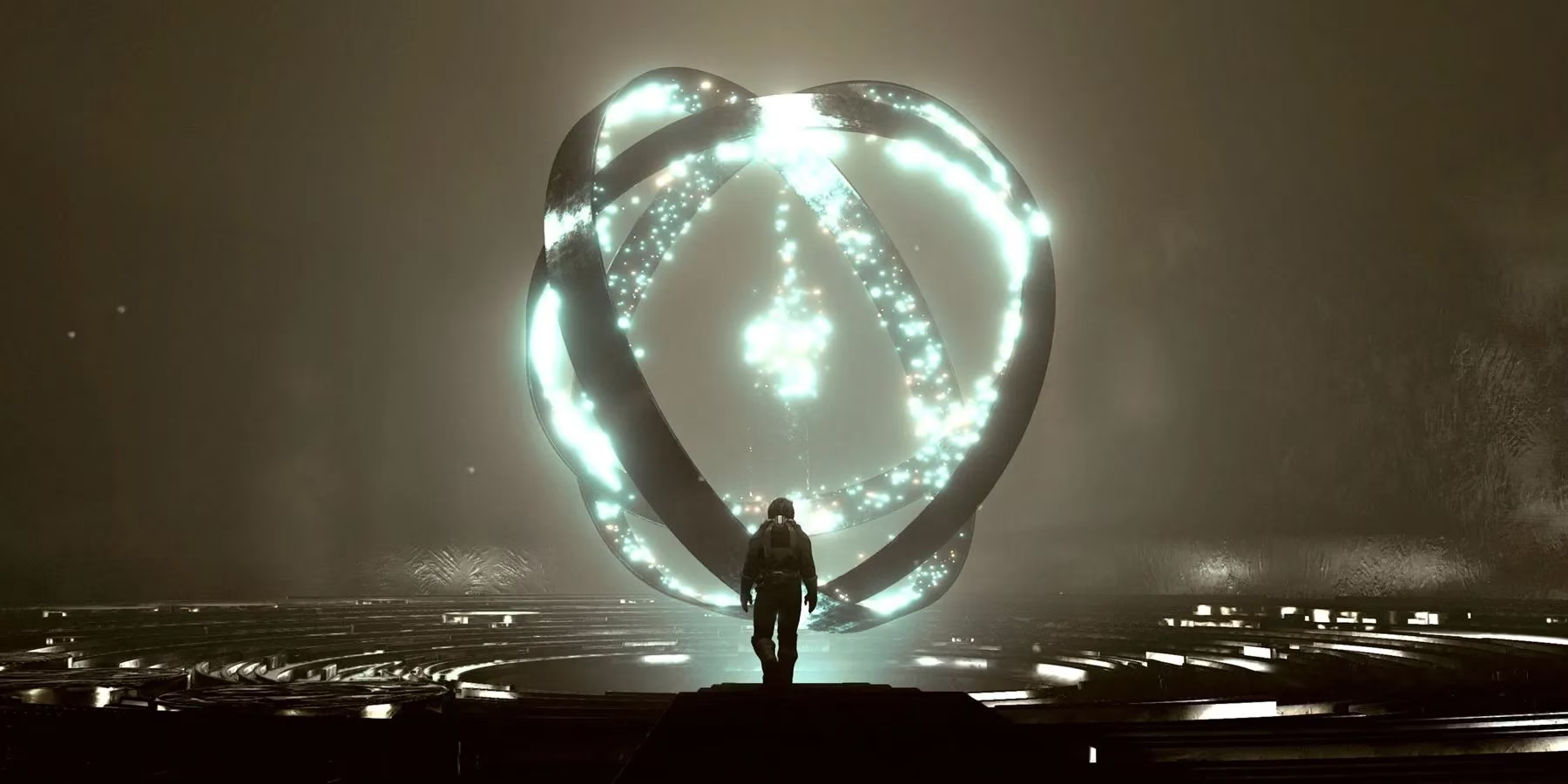
While secrecy shrouds most of the lineup, one title stands as the colossal centerpiece, a gravitational force around which the entire event orbits: the next chapter in Bethesda's epic space saga. Following the monumental success and continued expansion of Starfield, the dedicated Direct presentation following the main showcase is poised to unveil the next major leap for the franchise. Expectations are stratospheric. Bethesda has methodically built upon the foundation laid in the early 2020s—the deep RPG mechanics, expansive shipbuilding, and vast planetary exploration. The 2026 Direct promises not just a glimpse of new narrative horizons and gameplay systems but a deep-dive into the technological and design philosophies driving the experience forward. The confidence radiating from Microsoft regarding this segment is palpable, suggesting revelations that could redefine expectations for the genre once more.
The speculation mill for the rest of the lineup operates at full capacity. The community's wishlist is a tapestry woven from years of teasers and announcements:
-
The Long-Awaited Returns: Projects like the Fable reboot and Avowed have existed in the realm of promise for some time. Their potential appearance hinges on reaching a state of development worthy of the new "in-engine" mandate.
-
The Anticipated Sequels: Hellblade II: Senua's Saga and The Outer Worlds 2 represent the future of critically acclaimed franchises. Showcasing their progress is key to maintaining momentum.
-
The Persevering Projects: Games such as S.T.A.L.K.E.R. 2 and the next Forza Motorsport iteration have endured development journeys in the public eye. A substantive update would be a powerful moment of validation for both developers and fans.
However, Microsoft leadership has been meticulous in not confirming any of these titles, treating fan theories and hopeful deciphering of social media teases as part of the pre-show spectacle rather than a roadmap. This controlled ambiguity ensures that any reveal retains its impact.
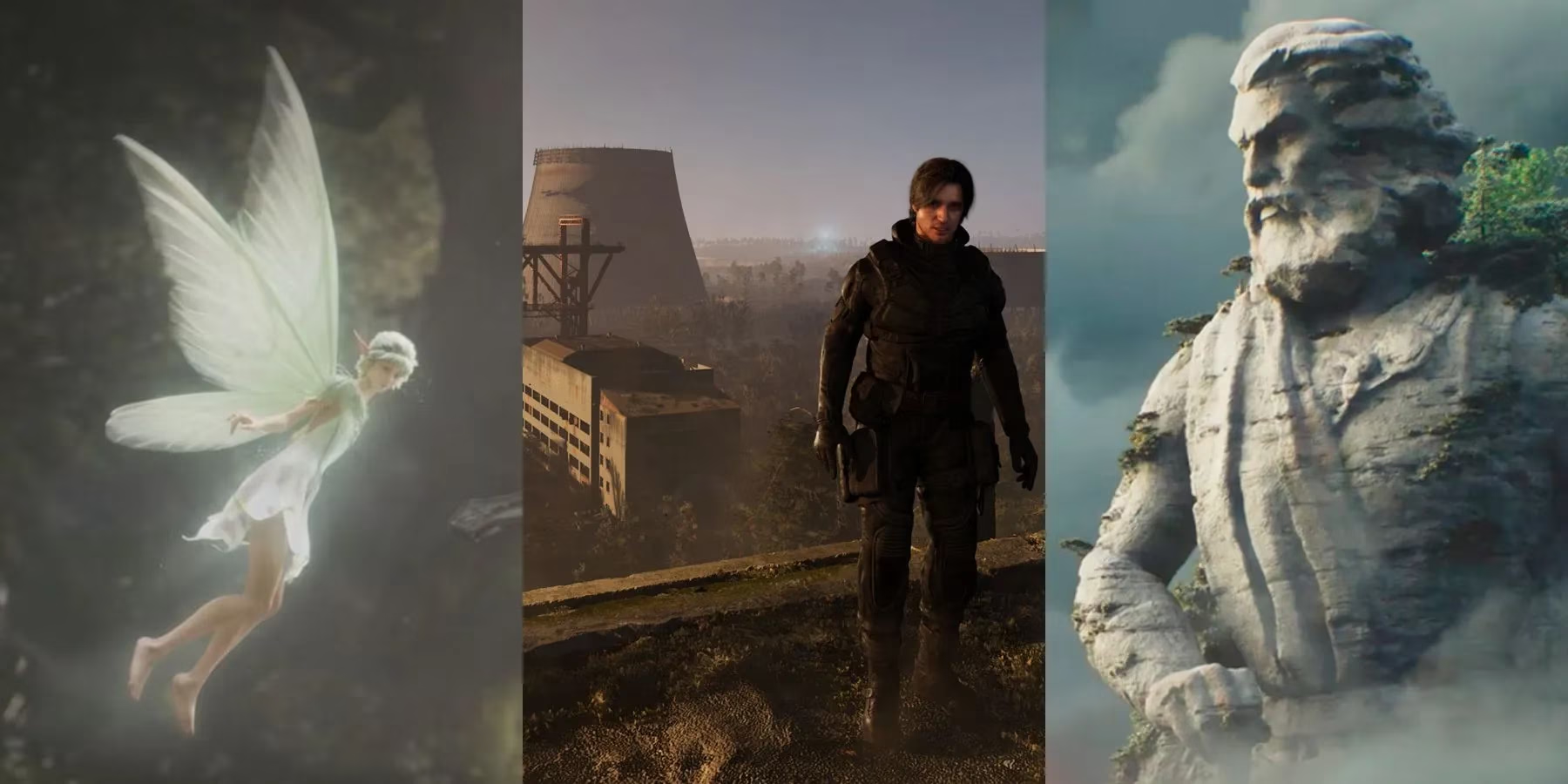
To complement the main event, the Xbox Games Showcase Extended will follow, offering a vital post-show analysis. This secondary stream functions as the director's commentary track for the big show, featuring developer interviews, deeper dives into mechanics, and updates from partner studios. It’s where the initial excitement of a reveal can mature into a deeper understanding of the game's vision and scope.
In essence, the 2026 Xbox Games Showcase is positioned as a pivotal moment of clarity and commitment. It is an event built on the lessons of the past, aiming to replace hyperbolic promises with demonstrable progress, and swapping cinematic fantasy for interactive reality. The strategy is clear: to rebuild and fortify player trust not with grandiose declarations, but with tangible, playable visions of the future. As the countdown begins, the industry watches to see if Microsoft can successfully execute this delicate balancing act—generating electrifying hype while keeping its feet firmly planted in the achievable. The showcase isn't just about what games are coming; it's about showcasing a more mature, resilient, and player-focused Xbox for the latter half of the decade.