Honestly, it’s been ages since Playground Games first teased us with that magical Fable trailer—and here we are in 2026, still waiting for the definitive release date. I remember thinking, “Alright, any day now,” back in 2022, but nope, the silence from both Playground and Microsoft has been deafening. The rumor mill keeps churning, and every Xbox showcase feels like a potential \”hold onto your hats\” moment, yet the curtain stays firmly drawn. As a longtime fan who’s played every entry in the series, I’ve been riding the emotional rollercoaster: excitement, frustration, and a hefty dose of \”well, slow and steady wins the race.\” But lately, some behind-the-scenes chatter from former devs has me rethinking that impatience. Turns out, the tortoise pace isn’t just a case of development hell—it’s a masterclass in studio evolution.
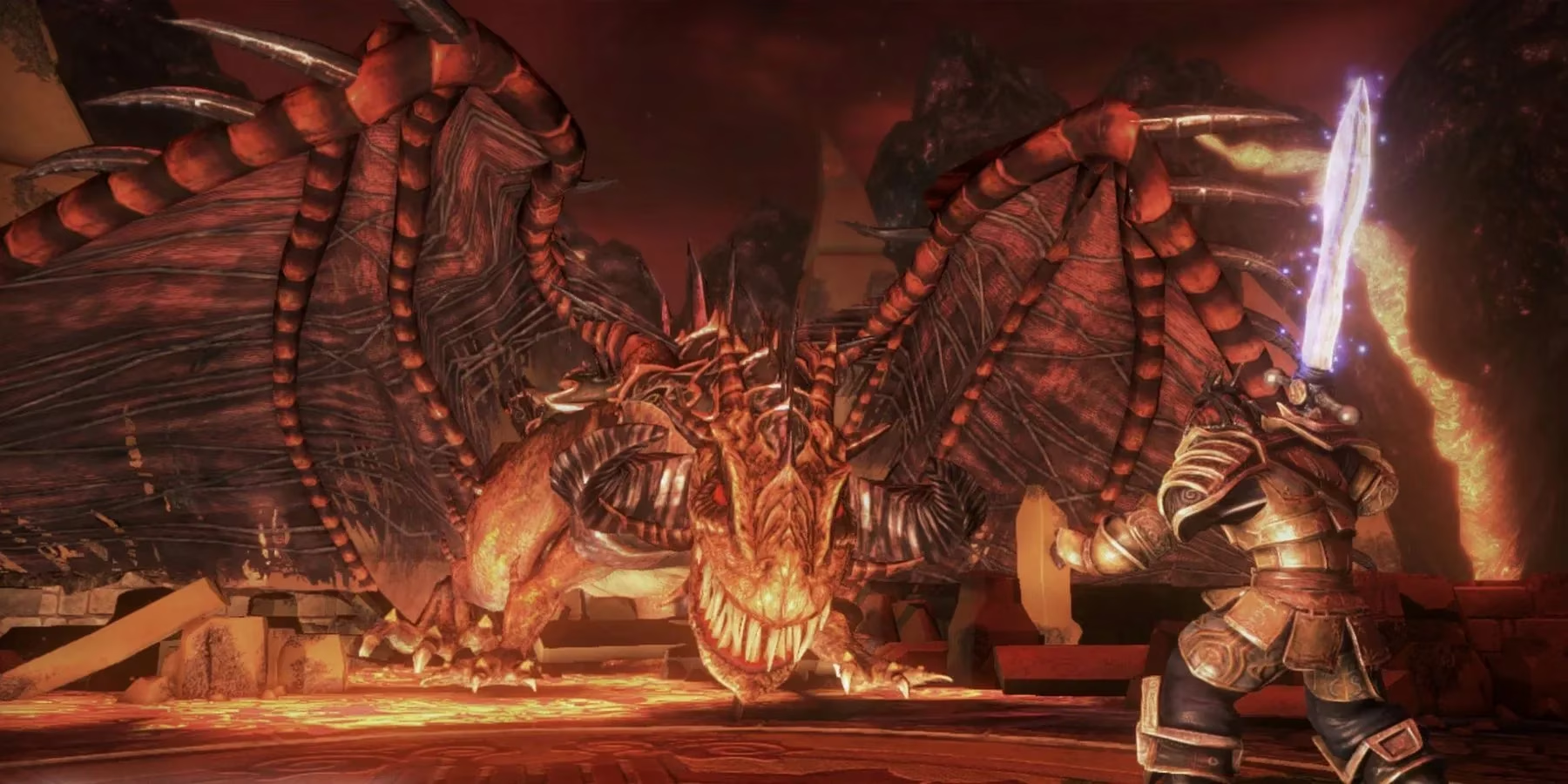
Let’s chew the fat: Playground Games built its reputation on the Forza Horizon series—absolute bangers in the racing genre, but about as far from a fantasy RPG as you can get. Juan Fernandez, who served as Fable’s combat designer before moving on, spilled the beans a few years back that the team genuinely lacked inherent RPG chops. That’s not throwing shade; it’s just the reality of a studio that’s spent over a decade perfecting tire squeals and open-world Mexico festivals. Now they’re tasked with resurrecting one of gaming’s most beloved and quirky franchises. I’d be sweating bullets too. Fernandez described the development as deliberately slow, precisely because Playground isn’t phoning it in. They’re building the plane while flying it—learning quest design, branching narratives, and the delicate art of British humor while trying to meet modern triple-A expectations. For me, a snail’s pace sounds like a major green flag. Rushing this could’ve been another Scalebound situation, and heaven knows we don’t need that heartbreak again.
RELATED: I’m Still Not Over Scalebound’s Cancellation, and Fable’s Progress Reminds Me Why
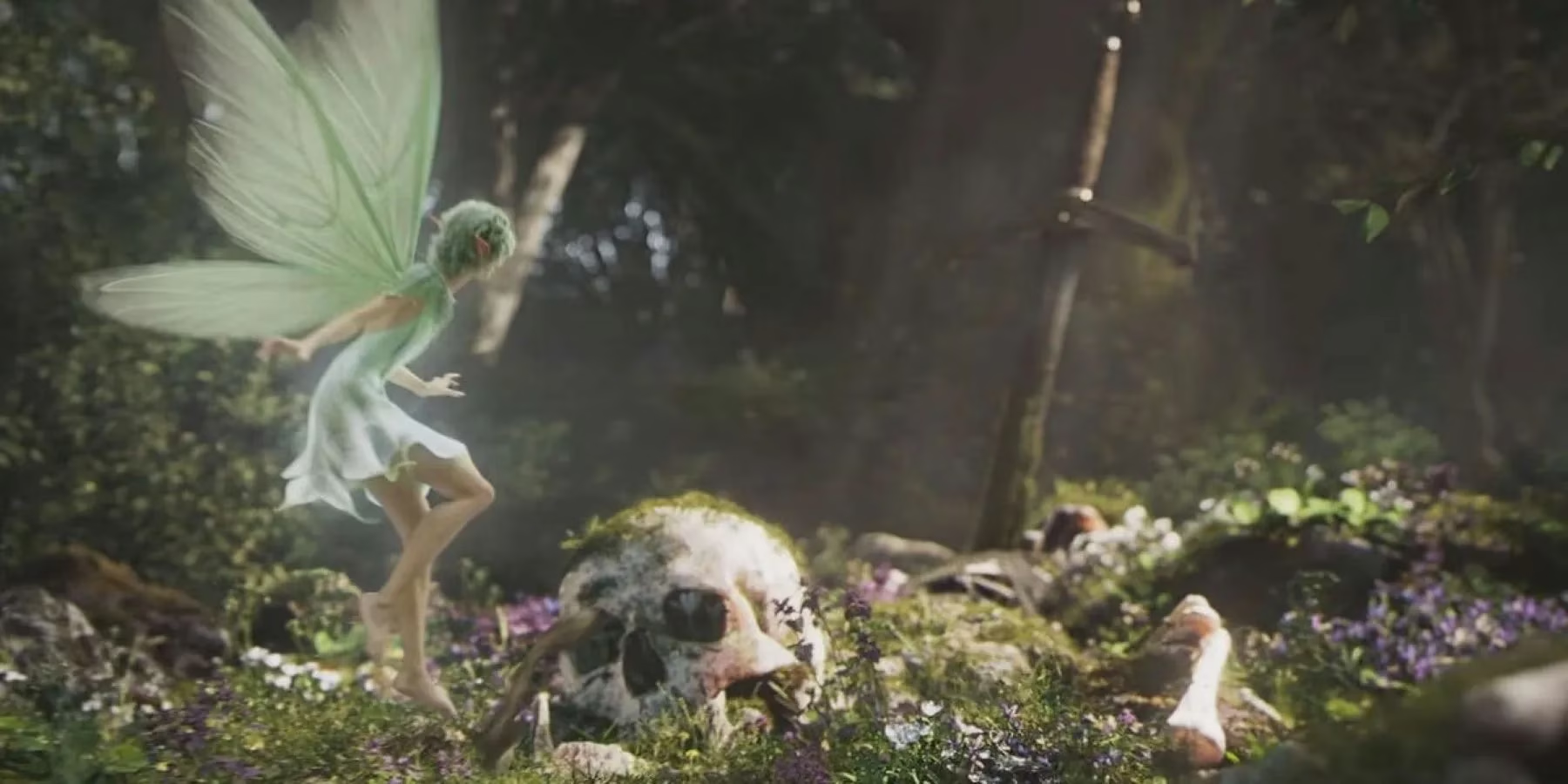
What really gets me jazzed, though, isn’t just the final game—it’s what this whole process means for Playground’s DNA. The studio isn’t just hiring mercenaries to crank out an RPG; they’ve brought in serious talent who’ve cut their teeth on massive titles, and they’re mixing those fresh perspectives with the old guard from the Forza days. Picture this: a seasoned racing dev sitting next to someone who worked on The Witcher, swapping war stories and figuring out how to make a chicken-chasing minigame feel epic. That cross-pollination is pure gold. Slow-burn development lets that knowledge seep deep into the studio’s bones, so even if Fable 4 (or whatever we’re calling it) doesn’t stick the landing, the team will level up massively. Skills like environmental storytelling or reactive NPC behavior don’t come from a single crash course—they need time to marinate. In my book, Playground is basically speedrunning a decade of RPG experience in one project. The ambition alone gives me good vibes.
Of course, I can’t help but daydream about what comes after. If the grapevine is right, Playground Games isn’t planning to just drop Fable and hop back to Forza Horizon 6. Rumor has it the studio’s feeling its oats and might launch a brand-new fantasy RPG IP of its own. Imagine a world where Playground becomes a two-headed beast—one half delivering the best arcade racers on the planet, the other half crafting original mythologies and worlds. After cutting their teeth on Albion’s revival, they’ll have the confidence to swing for the fences. Heck, they might even try a completely different genre. A horror title with Forza’s technical polish? Sign me up. A whimsical platformer? Why not! The point is, Fable’s extended gestation is acting like a university degree for the studio, and once they graduate, the possibilities are endless.
And here’s the kicker: Fernandez emphasized that the team isn’t moping around feeling out of their depth. They’re energized. There’s a scrappy, resourceful spirit in the air—a “let’s figure this out together” mentality that’s honestly priceless. That’s the kind of culture that births classic games, not just polished products. Sure, waiting until 2027 or even later stings like a bee, but I’d much rather Playground take the scenic route and deliver something that deepens the legacy, rather than a rushed mess that makes me want to throw my controller through the screen. The Fable reboot isn’t just about reuniting with my favorite guild seal; it’s the launchpad for Microsoft’s next powerhouse developer. In ten years, when we’re all raving about an entirely new Playground RPG franchise, we’ll look back at this uneasy waiting period and say, “Man, that slow grind was totally worth it.” Until the official date drops, I’ll keep my hype on simmer—because good things come to those who wait, and apparently, Playground Games is cooking up a feast.