Fable fans have spent years wondering what could have been, and one former Lionhead Studios developer has finally pulled back the curtain. After Lionhead closed its doors, Microsoft kept the rights to the Fable IP, leaving the series in an uncertain place. In 2026, the picture looks different, since Microsoft has since moved the franchise to Playground Games for a reboot, but the old pitch remains a fascinating what-if. John McCormack, a former art director at Lionhead, revealed what shape Fable 4 would have taken if Microsoft had given the project the green light. His account paints a picture of a bigger, darker, and stranger RPG than the one players eventually got in Fable Legends. 🎮
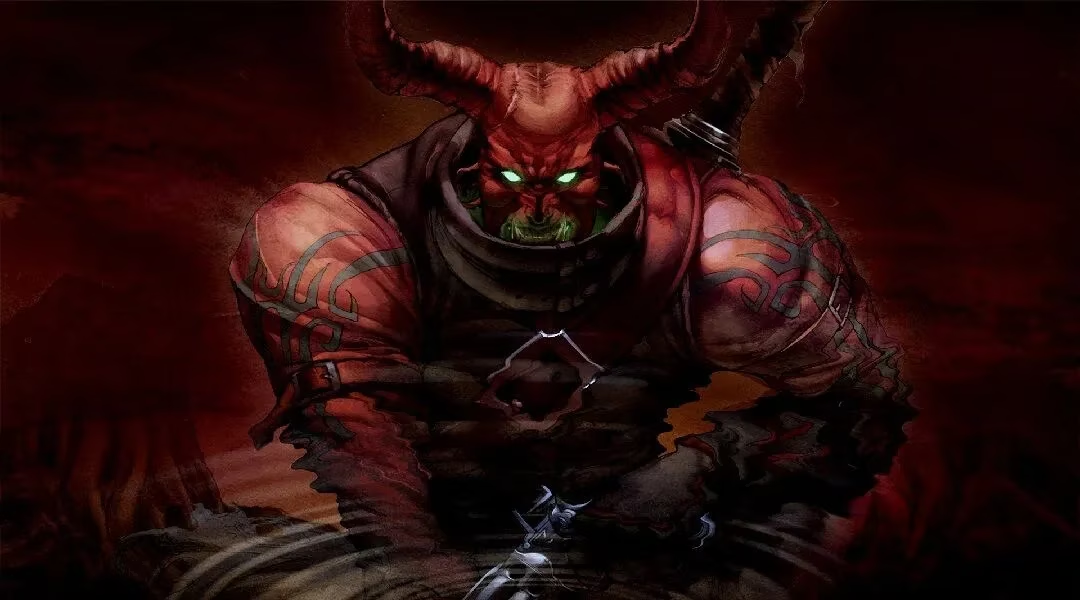
The first thing to understand is that Lionhead did not want Fable 4 to follow the asymmetric multiplayer path of Fable Legends. According to McCormack, the goal was to bring the series back toward the first three games, while still pushing the scale forward. Fable 4 would have been powered by Unreal Engine 4, and players would have been free to explore a massive, dense city. That city would not have been a quiet backdrop, either. It would have included flying machines and tram cars, giving the world a busy, industrial energy that sounds very different from the cozy fantasy villages fans often associate with the brand. 🌆
A Darker, Grittier Fable
The tone would have shifted as well. McCormack described Fable 4 as darker and grittier than the previous games, with an R-rated setting that still found room for prostitutes and humor. That combination may sound jarring, but it fits the strange British fantasy DNA of the series. Fable has always mixed fairy-tale charm with cheeky adult humor, and this pitch seems to have leaned harder into both extremes. The characters would have reflected that grim tone, too. Players would have been able to interact with disturbing icons of British mythology, including the infamous serial killer Jack the Ripper, as well as Dr. Jekyll and Mr. Hyde. 💀🧪
That detail alone makes the cancelled pitch feel like a lost piece of Fable history. Instead of another broad fantasy adventure, Lionhead seems to have imagined a game with sharper edges, stranger encounters, and a city that felt alive with machinery and menace. It would still have been Fable, but it would have been Fable with a darker coat of paint.
Why Microsoft Said No
McCormack left Lionhead Studios in 2012, after Microsoft rejected this pitch for Fable 4. According to him, Lionhead was looking for a larger budget and a four-year development cycle. The ambition was clear: the studio wanted to compete with bigger RPGs like Mass Effect and Skyrim. That was not a small goal, and it helps explain why the pitch asked for more time and more money. A dense city, flying machines, tram cars, Unreal Engine 4, and a darker story would not have been cheap to build. ⚙️
Microsoft ultimately turned down the ambitious vision. Instead, the company put Lionhead to work on the free-to-play Fable Legends. Reports indicate that Microsoft spent $75 million on Fable Legends before cancelling it, which makes the rejection of the Fable 4 pitch sting even more in hindsight. 📉
| Element | Lionhead’s Fable 4 pitch |
|---|---|
| Direction | Closer to the first three Fable games |
| Engine | Unreal Engine 4 |
| Setting | A massive, dense city with flying machines and tram cars |
| Tone | Darker, grittier, and R-rated |
| Characters | Jack the Ripper, Dr. Jekyll, and Mr. Hyde |
| Development goal | Larger budget and a four-year cycle |
| Competition | Mass Effect and Skyrim |
Molyneux’s Brief Tease
McCormack is not the only person who has spoken about the hypothetical Fable 4. Peter Molyneux, the creator of the Fable franchise, also touched on the idea briefly. He said the game would have had an equivalent of the dog from Fable II, and that if he were asked to work on it, he would totally be up for it. That detail is small, but it matters. The dog from Fable II became one of the most memorable parts of the series, and it shows that even a darker Fable 4 would have kept some emotional warmth. 🐕
Maybe Microsoft could have reached out to Molyneux to work on Fable at a different studio. That did not happen in the way some fans might have hoped, but the conversation around the cancelled pitch never fully disappeared.
What This Means in 2026
As of 2026, the Fable franchise is no longer stuck in the same limbo it faced after Lionhead’s closure. Microsoft has retained the IP and has been working on a reboot with Playground Games. Exact details remain under wraps, and the contrast with Lionhead’s pitch is hard to miss. The old vision was dark, dense, and deliberately provocative. The new era of Fable may end up being something else entirely. 🧙
Still, McCormack’s account is a reminder that cancelled games do not vanish. They live on in interviews, in fan speculation, and in the question of what might have happened if Microsoft had said yes. Fable 4, as Lionhead imagined it, would have been a riskier game: a massive city, a grim tone, British folklore horrors, and a four-year plan to compete with the biggest RPGs of its time. Whether that version would have worked is impossible to know, but it is easy to see why fans still talk about it.
Whatever happens next, Microsoft clearly plans to do something with Fable. After all, reports indicate that Microsoft refused to sell the Fable IP following Lionhead’s closure. That decision kept the door open. One day, players may see a Fable 4, even if it does not quite match Lionhead’s original vision. The pitch may be gone, but the curiosity around it is not. 🎮