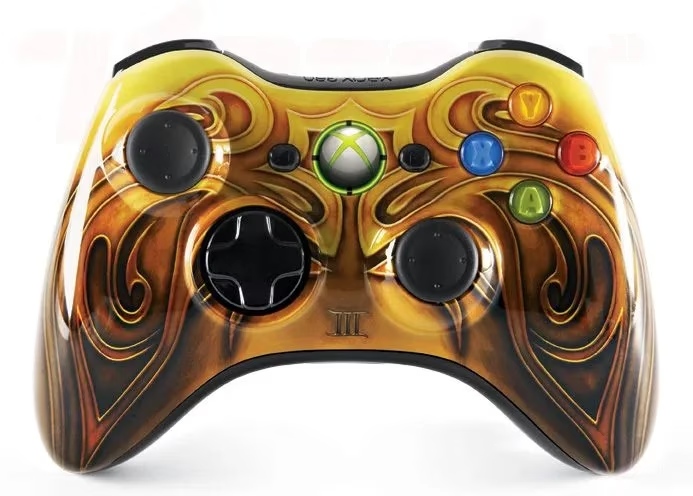
As we enter 2026, looking back at gaming industry practices over the past decade reveals fascinating shifts in how companies approach special editions and collector's items. One particular strategy that emerged from Microsoft during the Fable III era deserves renewed attention for its forward-thinking approach to consumer choice and accessibility. The company's decision to release the Limited Edition Fable III wireless controller separately from the game itself represented a significant departure from industry norms at the time, and its wisdom has only become more apparent with time.
A Revolutionary Approach to Premium Content
Microsoft's strategy represented a fundamental rethinking of how premium accessories should be offered to gaming enthusiasts. Rather than forcing players to purchase expensive deluxe bundles containing items they might not want or need, the company provided a simple alternative: buy the premium controller when you can afford it, and get the game separately. This approach acknowledged several important realities about the gaming community:
-
Financial Flexibility: Not all gamers have disposable income available at specific game release dates
-
Consumer Choice: Players should be able to select which premium items they truly value
-
Respect for Loyalty: Devoted fans appreciate having options rather than being forced into all-or-nothing purchases
The Problem with Traditional Bundle Models
In the years leading up to this innovative approach, the gaming industry had fallen into a pattern of creating increasingly elaborate and expensive special editions. Publishers would bundle games with:
| Traditional Bundle Items | Typical Issues |
|---|---|
| Art books | Often glanced at once then shelved indefinitely |
| Soundtrack CDs | Quickly become obsolete as digital music dominates |
| Collectible figurines | Take up space and appeal to limited audiences |
| Making-of documentaries | Usually watched once if at all |
These bundles created a significant problem for budget-conscious gamers who wanted to participate in the collector culture but couldn't justify spending double or triple the base game price for items of questionable utility.
Microsoft's Consumer-Centric Philosophy
What made Microsoft's approach particularly noteworthy was its underlying philosophy. The company essentially communicated to its audience: "We trust that you'll buy our game because it's good, and we'll give you the flexibility to enjoy premium accessories on your own terms." This represented a significant shift from the industry's typical scarcity-driven marketing tactics.
🔥 Key Benefits of This Approach:
-
Reduced Financial Pressure: Gamers could spread purchases over time
-
Genuine Collector Value: Items purchased separately often hold more personal meaning
-
Reduced Waste: No unwanted items forced into purchases
-
Enhanced Appreciation: When players choose to buy premium items separately, they value them more
The Current Landscape in 2026
Looking at today's gaming market, we can see how Microsoft's early experiment has influenced broader industry practices. Many companies now offer:
-
Modular Collector Editions: Where players can select which premium items to include
-
Post-Launch Premium Accessories: High-quality controllers, art books, and soundtracks released after initial game launch
-
Digital Deluxe Upgrades: The ability to enhance standard editions after purchase
-
Seasonal Sales on Collector Items: Premium accessories going on sale separately from games
This evolution has created a healthier ecosystem where passionate fans can engage with premium content at their own pace, rather than being forced into financial decisions that might strain their budgets.
The Psychological Impact on Gaming Communities
Microsoft's strategy did more than just provide financial flexibility—it changed the psychological relationship between gamers and premium content. When players feel respected and given genuine choices, they develop stronger brand loyalty. The approach acknowledged several emotional realities of gaming culture:
💭 No gamer should face the dilemma of choosing between:
-
Participating in their community's excitement at launch
-
Maintaining financial responsibility
-
Missing out on collector items entirely
By separating the premium controller from the game release, Microsoft eliminated this painful choice and created a win-win situation: players got what they wanted when they could afford it, and Microsoft maintained customer goodwill while still selling premium products.
Industry-Wide Implications and Legacy
Microsoft's Fable III controller strategy proved prescient in anticipating several trends that would dominate the gaming industry in subsequent years:
1. The Rise of the Accessory Market
Premium controllers, headsets, and other peripherals have become significant revenue streams independent of game sales.
2. Consumer Empowerment Movements
Players increasingly demand flexibility and choice in how they engage with premium content.
3. Sustainability Considerations
Reducing forced bundles decreases potential waste from unwanted items.
4. Long-Term Fan Engagement
Allowing staggered purchases keeps fans engaged with franchises over longer periods.
Lessons for Today's Gaming Companies
As we reflect on this strategy from our 2026 perspective, several key lessons emerge for game publishers and hardware manufacturers:
-
Trust Your Audience: If you create quality products, fans will support them on their own terms
-
Flexibility Creates Loyalty: Giving players options builds stronger long-term relationships
-
Premium Doesn't Mean Exclusive: High-quality accessories can stand on their own merits
-
Timing Matters: Not all purchases need to happen simultaneously
Microsoft's approach with the Fable III controller demonstrated that treating gamers as intelligent consumers with varied financial situations wasn't just ethical—it was good business. The company recognized that true fans would purchase both the game and premium accessories, just not necessarily at the same moment.
The Future of Premium Gaming Content
Looking forward from 2026, we can anticipate continued evolution in how premium gaming content is offered. The separation of core game experiences from premium physical items has paved the way for:
-
Customizable Collector Packages: Where players build their ideal premium bundle
-
Subscription-Based Premium Access: Regular deliveries of high-quality physical items
-
Augmented Reality Collectibles: Digital premium items with physical counterparts
-
Sustainable Premium Models: Where premium items serve multiple purposes or can be upgraded
Microsoft's decision to release the Fable III controller separately may have seemed like a small change at the time, but it represented a significant philosophical shift in how gaming companies view their relationship with players. By prioritizing consumer choice and financial accessibility, the company demonstrated that respecting your audience isn't just good ethics—it's smart business that builds lasting loyalty in an increasingly competitive market.
As gaming continues to evolve, this lesson remains vital: when companies trust their players and provide genuine choices, everyone benefits. The days of forcing gamers into expensive, all-or-nothing bundles are thankfully fading, replaced by more thoughtful approaches that recognize the diverse needs and circumstances of the gaming community. Microsoft's Fable III controller strategy wasn't just about selling a peripheral—it was about building a better relationship with the people who make the gaming industry possible.