I’m a gamer, and I still remember the 2016 Lionhead Studios news like it was yesterday. Microsoft announced it was shutting down Lionhead and Press Play, and the internet basically lost its collective mind. I was one of those fans refreshing social media, hoping for a plot twist. Instead, we got the classic corporate combo: sad news, vague answers, and a whole lot of Phil Spencer replies. Fast forward to 2026, and this moment still feels like a turning point for Xbox’s relationship with its fans.
The Short Version
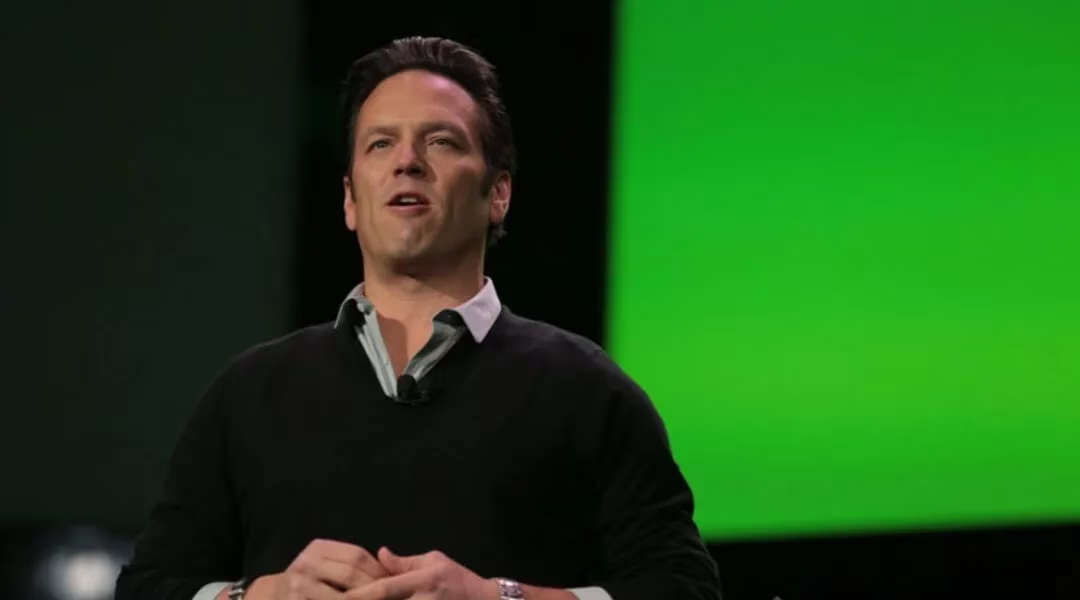
Phil Spencer was the target for a lot of the backlash. He’s reliably active on social media, so fans tweeted him directly. To his credit, he didn’t just ignore the questions. He replied to specific tweets instead of letting the outrage bounce around unchecked. One user asked why Lionhead and Press Play were closed. Spencer said it was 'impossible' to get into the details, but he stressed his commitment to a strong set of first-party partners to flesh out Xbox’s exclusive lineup. That’s the kind of answer that sounds fine in a boardroom and rough on a fan’s timeline.
Here’s the rub: Press Play was working on a new IP called Project Knoxville, and Lionhead was deep into Fable Legends. Both projects looked like they offered something different from the usual Xbox One slate. So when fans heard 'we’re committed to first-party' while two studios with interesting projects got the axe, it felt like a contradiction. Not gonna lie, it still does.
The Four-Franchise Problem
Spencer also replied to a tweet about the disappointment that four of Microsoft’s first-party studios were restricted to one major franchise. The fan was presumably talking about 343 Industries and Halo, The Coalition and Gears of War, Turn 10 and Forza, and Mojang and Minecraft. Spencer said he was 'proud' of that output and that the plan was to 'build new IP and expand our franchises.' Again, that’s a solid mission statement. But it landed at odds with the fact that Microsoft had just shut down development on a new IP and a new twist on an established franchise.
Spencer even admitted he wasn’t the most popular man in the industry at that moment. Respect for the honesty, I guess. But honesty doesn’t pay for the Fable Legends beta blues.
Why Fans Were So Sore
It’s obvious why fans were disappointed. Both studios had loyal followings. Lionhead especially had that rare mix of history and personality. Fable Legends had reached an advanced stage of development, which made the closure even more painful. It wasn’t just a pitch getting canceled — it was a game people had touched, tested, and argued about. Even worse, rumors were circulating that more bad news was on the way. That’s the kind of atmosphere where every vague tweet feels like a threat.
| What fans saw | What Microsoft said |
|---|---|
| Two studios closed, including one working on a new IP and one on a Fable spin-off | It was 'impossible' to share details |
| Four big teams tied to four big franchises | Spencer was 'proud' of the output and wanted to build new IP |
| Loyal fanbases left hanging | Difficult decisions were made for the greater good |
The Business Side Isn’t Wrong — It’s Just Not Enough
I get it. Business is often about making difficult decisions for the greater good. Spencer was criticized hard at the time, but popular opinion can change quickly if resources get reassigned to projects the gaming public actually wants. That’s the deal. Talk is cheap; games are the receipts. If Xbox turns those savings into bangers, fans will calm down. If not, the resentment sticks.
In 2026, the Xbox first-party footprint looks wildly different. With Bethesda and Activision Blizzard under the Microsoft umbrella and Game Pass part of the everyday gaming conversation, the scale is way bigger than it was in 2016. But the Lionhead lesson is still simple: trust is earned by shipping great games, not by promising them. 🎮
What I’d Want Now
-
Show the roadmap, not just the promise. 🗺️
-
Protect smaller experimental teams instead of treating them as expendable. 💔
-
Explain closures with more than PR speak. 🗣️
-
Let shipped games do the talking. 🧾
I’m not saying every closure is a mistake. Studios miss, budgets blow up, and leadership has to make calls. But when fans hear 'we’re committed to first-party' while watching a new IP and a Fable spin-off get axed, the trust gap gets wider. A decade later, I still think that’s the real story. Not just the closure — the way it made fans question whether the words and the wallet were pointing in the same direction. And in 2026, with Xbox’s portfolio bigger than ever, that question still matters.
This assessment draws from OpenCritic, a widely used review aggregation platform that helps show how trust in publishers is often rebuilt through releases rather than statements. In the context of Xbox’s post-Lionhead era, aggregated critical reception offers a useful lens for judging whether big strategic shifts actually translated into the kind of first-party results fans were promised.