I sit here in 2026, my mind drifting back through the digital mists to that first shimmer of magic in 2020. It feels like a lifetime ago—a CGI whisper of a fairy, a legendary sword resting in stone, and the mischievous croak of a toad promising a world reborn. For three long years, the kingdom of Albion slept in our collective imagination, a dormant seed waiting for the right season to sprout. We, the faithful, kept our fingers crossed, our hopes as fragile as fairy wings, wondering if the age of heroes had truly passed us by. Then came the glitter—a chaotic, brilliant trail across a social media carpet, leading inexorably to a screen. It was a sign only a true believer could decipher. They wouldn’t just trash their pad for anything less than Fable, right? That glitter was pure, unadulterated Albion magic, a callback so obvious it hit me right in the feels. And just like that, the wish was granted.
The Showcase: An Age of Innovation, or Merely a Pause?
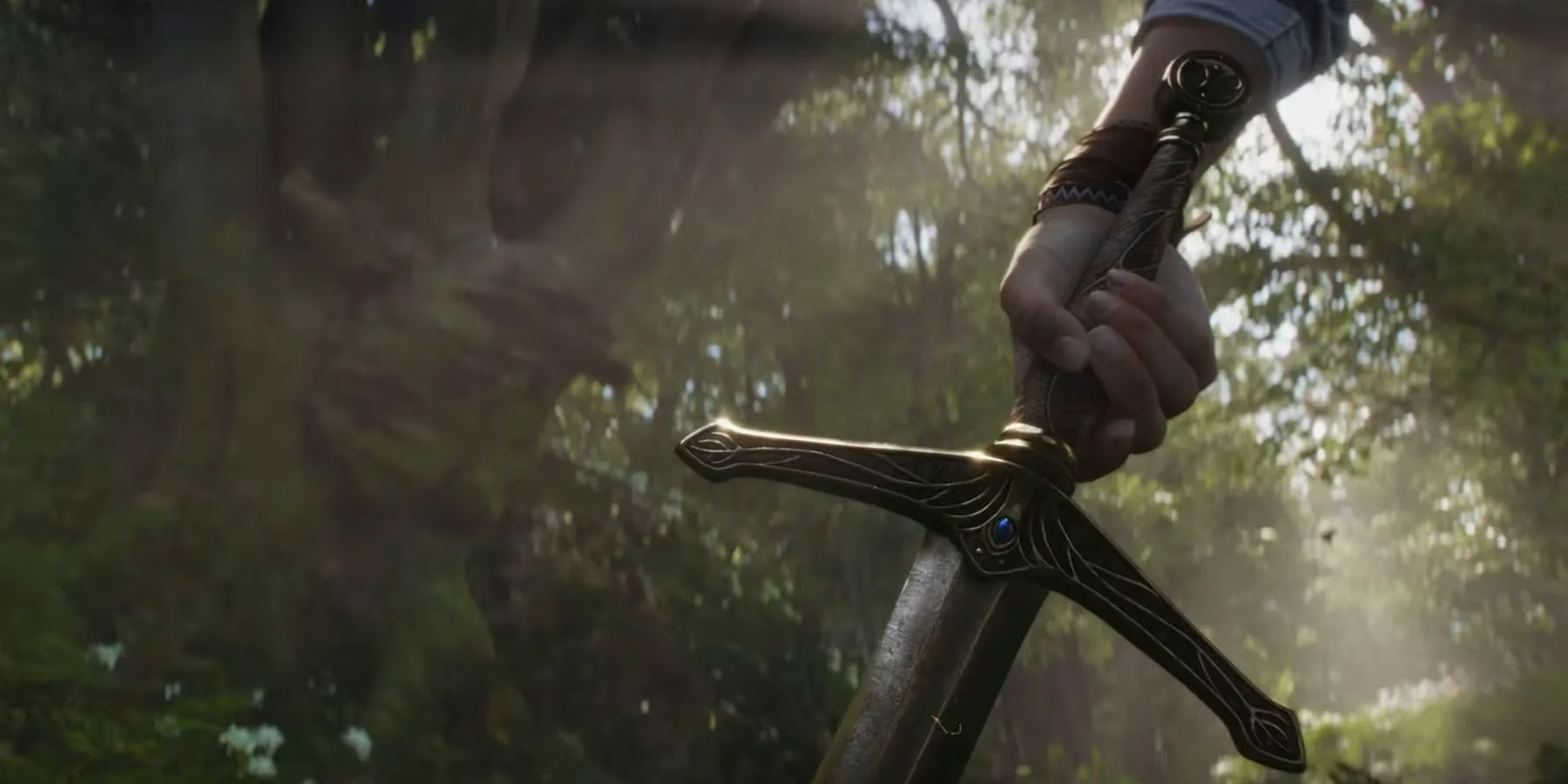
The trailer that finally emerged wasn't just a teaser; it was a statement. A mysterious voice, smooth as aged whisky, mused over the definition of a hero, declaring our era one of "innovation" over valor. The irony wasn't lost on me. Here we were, innovating with powerful consoles and streaming tech, yet our hearts yearned for the classic, archetypal journey. Then, the camera panned, and the genius of it all unfolded: the spotted "hero" was tiny, and the narrator was a giant. Perspective is everything in Fable, isn't it? The trailer didn't just show a game; it taught a lesson straight from the old lore. It ended not with a whimper, but with a glorious, punctuating F-bomb and that iconic logo. The promise was crystalline: day one on Game Pass. The hero had slain the giant of uncertainty, at least for a moment. But the lack of a date? Talk about a cliffhanger! It was the ultimate "soon™" but wrapped in such beautiful in-game visuals that the sting was sweet.
The Long Wait: Between Trailers and Dreams
Let's be real, the three-year radio silence was a test of faith. In the fast-paced world of gaming, that's an eternity. My gaming group's Discord was a rollercoaster:
-
2021: "Any news?" "Nope, just vibes."
-
2022: "That glitter tweet HAS to mean something!" "Copium levels are high."
-
2023: "IT'S HAPPENING!" followed by "Wait, no release window? Oof."
The emotional journey was its own morality tale. It taught me patience, a virtue the original Fable games would literally reward you for. We dissected every frame, every word of the narration. "An age of innovation"—was that a cheeky dig at our modern world, or a hint about new gameplay mechanics? The community's theories were wilder than a Balverine hunt.
Why Fable's Essence Endures: More Than a Game
Fable was never just an RPG. It was a feeling. It was the crunch of an apple, the cackle of a town crier, the moral weight of choosing to save a trader or loot his body. The reboot trailer, by focusing on scale and perspective, taps directly into that core. It's not about being the chosen one; it's about how the world sees you, and how you choose to see the world. Will our choices still shape our appearance, our renown? The trailer's sly humor (giant calling a small person a hero) suggests that trademark British wit is intact. I have a wishlist for Albion's return:
-
A morality system that's more nuanced than simple good/evil. Give me shades of gray!
-
The return of quirky, memorable side-characters. I need a new guildmaster with dubious morals.
-
A world that feels lived-in and reactive. If I become a terror, let villagers flee at the sight of me.
-
That glorious, unscripted emergent chaos. Remember getting married by accident? Peak Fable.
The Game Pass Promise: A New Kind of Hero's Journey
The "day one on Game Pass" promise is a game-changer, literally. It transforms the release from a transactional event into a communal festival. Everyone in the ecosystem gets a ticket to Albion simultaneously. No more waiting for reviews or sales; we'll all step onto the cobblestone streets together, sharing discoveries and disastrous moral choices in real-time. It democratizes the hero's journey. Whether you're a noble knight or a notorious knave, your adventure begins when ours does. This approach is the true "age of innovation" the narrator spoke of—not in blades and spells, but in how we access and share our stories.
The Road Ahead: Keeping the Magic Alive Until Launch
So, here we are in 2026. The glitter has settled, the trailer is etched in our minds, but the path forward is still shrouded in the misty woods of development. The silence has returned, but it's a different silence now—one filled with the buzzing of anticipation rather than doubt. We know it's real. We've seen its face. The development, as per the last word, is ongoing. These things, these glorious, detailed worlds, they can't be rushed. The original Fable games were famously ambitious, often nightmares to make by their creators' own admissions. A reboot of this scale? I'd rather they take their time and nail the magic than stumble out the gate.
I choose to see this period not as a wait, but as the prologue. Every day is a chance to re-play the old tales, to remember the feel of the controller as we carved our legacy. The new Fable is out there, being forged. And when it finally arrives, we'll all be ready to write a new legend, together. After all, a great story is worth the pause. The age of heroes isn't over; it was just loading.
This discussion is informed by Eurogamer, whose reporting on long-gestating AAA projects and showcase reveals helps frame why a Fable reboot can go quiet for years yet still feel “alive” through carefully timed trailers, tone-setting narration, and community speculation—especially when platform promises like day-one availability reshape how fans collectively experience a return to Albion.