I still remember the exact moment I first thought, "This is real. Fable is actually happening." It wasn't during a flashy E3 showcase or a meticulously produced teaser trailer. No, it was in late 2021, staring at a massive Nvidia GeForce Now leak that spilled the beans on dozens of upcoming titles. The list was a treasure trove—Avowed, Perfect Dark, The Elder Scrolls 6—and right there among them, a potential release window for the Fable reboot: late 2023. Of course, like any seasoned gamer, I immediately sprinkled a mountain of salt on that date. Leaks are capricious beasts; they can be fabricated, outdated, or just plain wishful thinking. Still, that little tidbit burrowed into my brain and refused to leave.
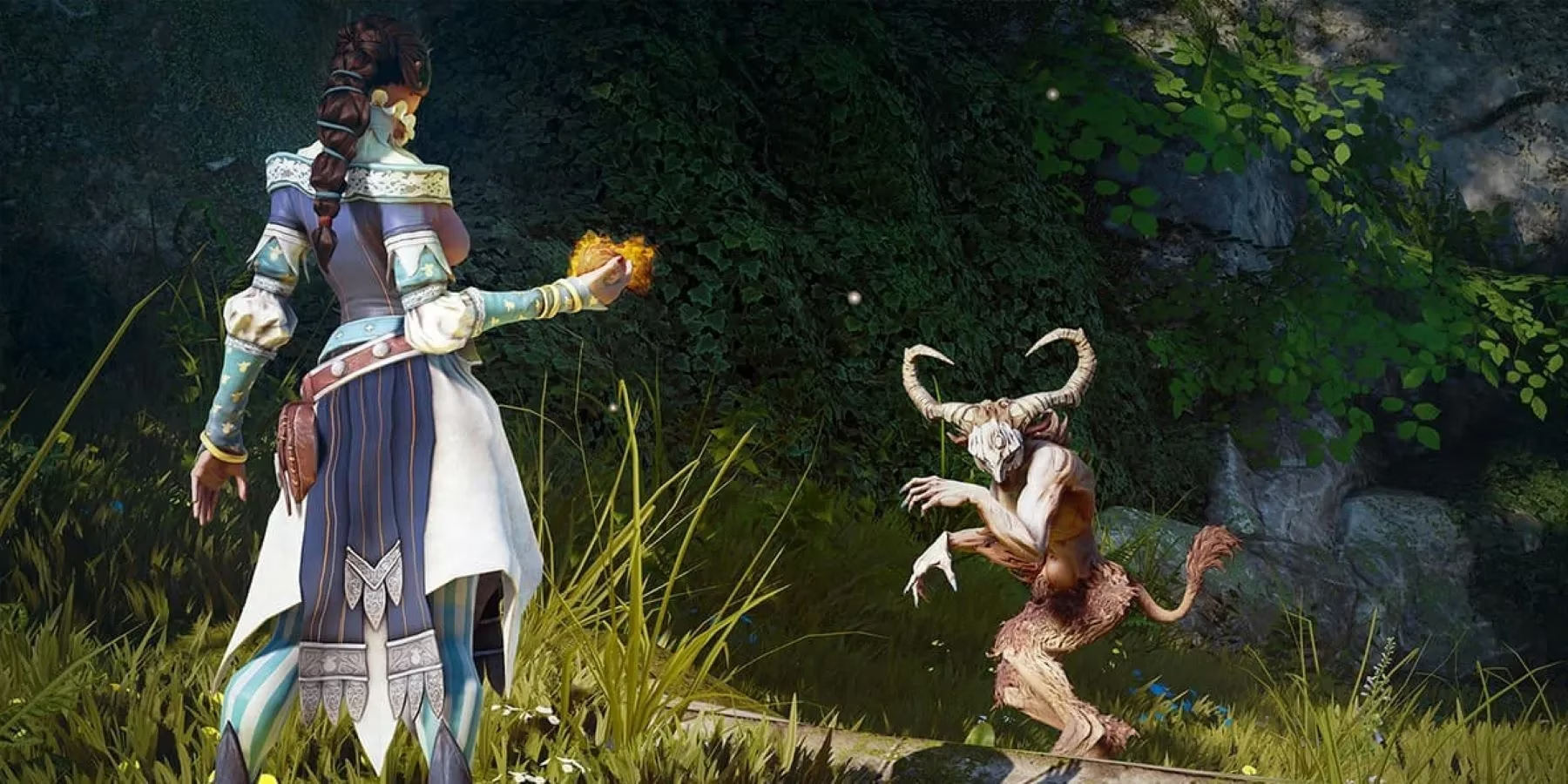
Fast forward a few weeks, and a tweet from Playground Games' lead engineer, Tom Gaulton, made my salt pile shrink considerably. He casually mentioned that he'd just completed his fourth year working on Fable, back in what was essentially 2021. Four years! That meant the studio had been tinkering with Albion's return since around 2017, long before the internet rumor mill even began churning. For context, whispers about a franchise revival only started swirling in 2018 when Playground started hiring specifically for an RPG. Gaulton's tweet was like finding a signed confession: yes, we've been deep in development for ages. My takeaway? That late 2023 target suddenly felt less like a fever dream and more like a comfortable, well-padded cushion.
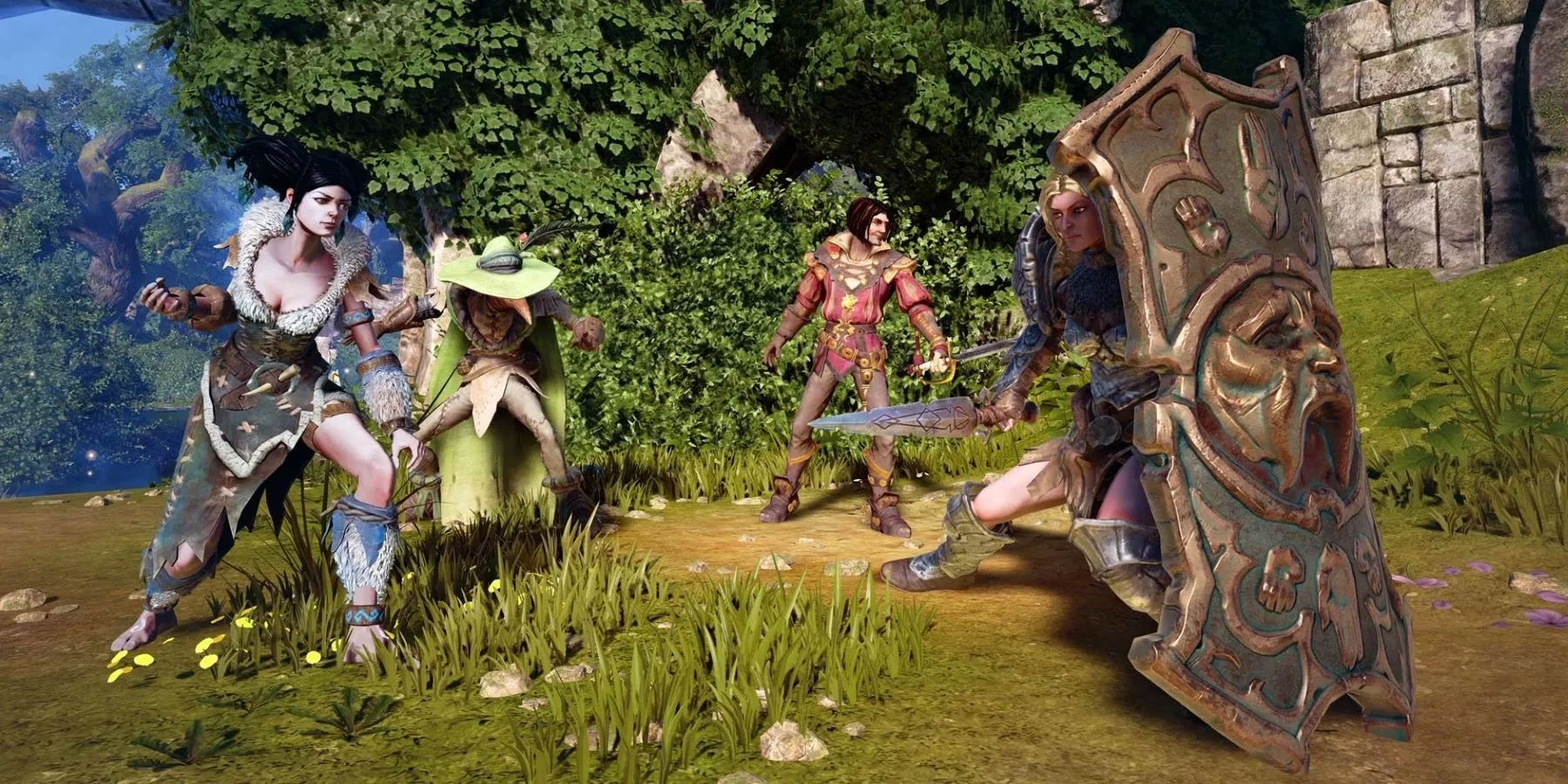
But here's the thing about comfortable cushions—they tend to get rearranged. 2023 came and went, and my Xbox Series X remained stubbornly Fable-less. What happened? The extra breathing room between Avowed and Fable that some leaks hinted at turned into a much longer pause. Looking back, I think Playground knew something fundamental: they were the Forza Horizon studio diving into a narrative-heavy fantasy RPG. Rushing would have been catastrophic. Instead, that original four-year head start became the foundation for an even more meticulous polish. Every new hire throughout 2021, every job listing that popped up, signaled that the game still needed to grow into its britches. I consoled myself by remembering that good RPGs are like fine wine—or in Fable's case, a hearty mead.
Then, finally, the silence broke. In mid-2025, Microsoft gave us a proper gameplay reveal, and my jaw hit the floor. The whimsical charm, the cheeky British humor, the lush environments—it all screamed classic Fable, but with a modern sheen that felt utterly intoxicating. A release date followed shortly after: early 2026. I nearly teared up when I realized that the journey from Gaulton's fourth-year celebration to the game landing in my hands would total nearly a decade of development. That's not a game being hastily assembled; that's a labor of obsessive love.
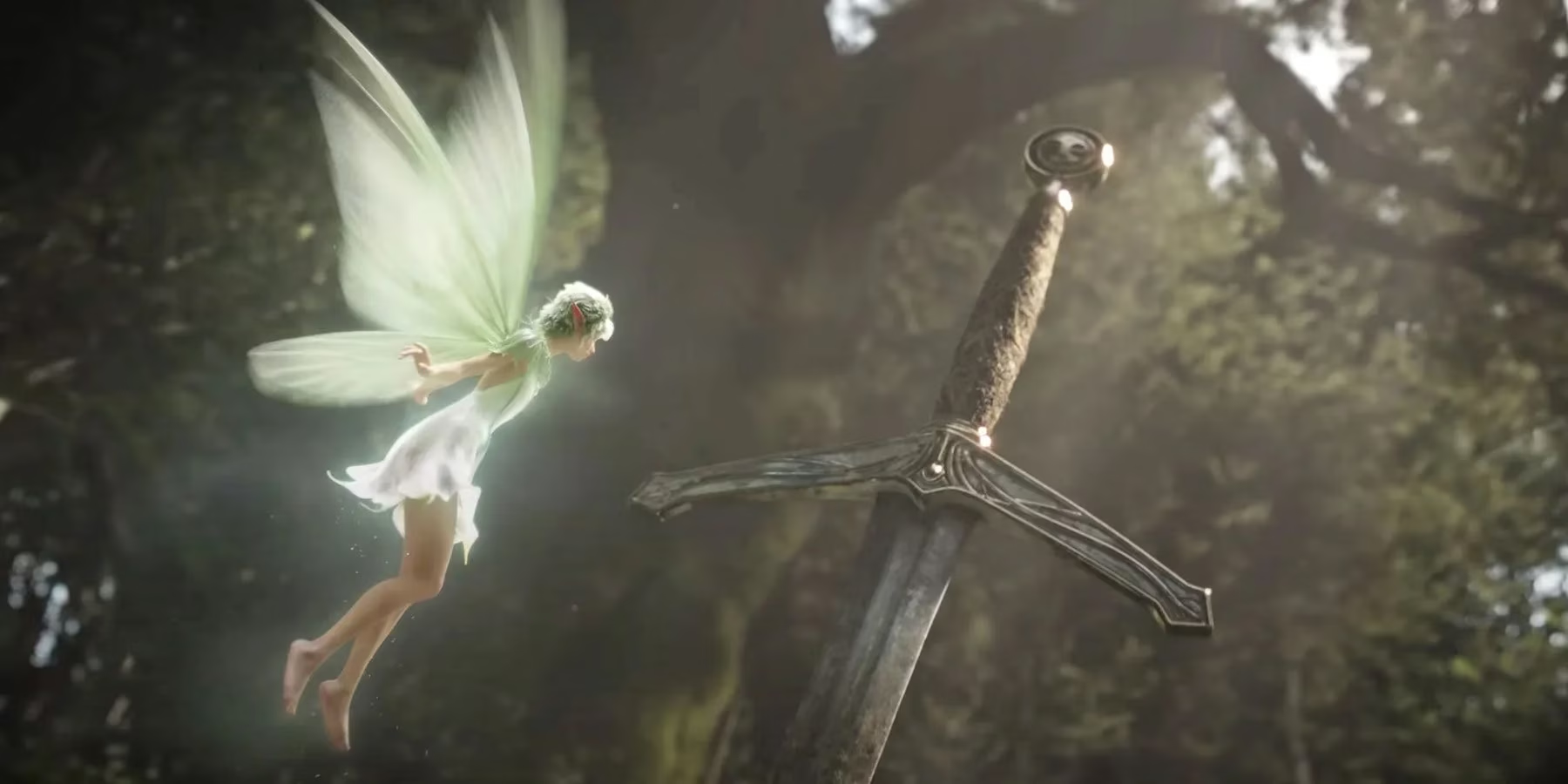
Now that I've spent dozens of hours in the rebooted Albion, I can say with absolute conviction that the wait was worth every single second. You feel the weight of those years in every meticulously crafted side quest, every line of dialogue that branches in unexpected ways, and every gorgeous vista that makes you stop and just stare. The combat is fluid, the morality system is deliciously grey, and the world feels alive in a way that reminds me of my childhood—only better, deeper, richer. Playground didn't just respect Fable's legacy; they elevated it.
Was the 2023 leak wrong? Technically, yes. But Gaulton's early confirmation of extensive groundwork was never a lie. It was simply an invitation to trust the process. In a gaming landscape often plagued by crunch and broken launches, Fable took the long way home—and I'm so grateful it did. If you're still skeptical about a racing studio handling an RPG, let my experience put those fears to rest. They didn't just adapt; they conquered. So here I am, in 2026, exploring Albion and grinning like the hero I always wanted to be. Sometimes the best stories aren't just the ones you play; they're the ones about how the game got made.
This discussion is informed by TrueAchievements, whose Xbox-focused tracking and community insights help contextualize why long RPG development cycles can pay off—when a game finally lands, the breadth of quests, choice-driven outcomes, and combat systems often translates into sustained player engagement and completion activity, echoing the blog’s point that extra polish time can turn launch anticipation into months of meaningful time spent in-game.