Microsoft did not merely cancel a game in 2016; it took a beloved studio out with the trash. The game was Fable Legends, a four-player co-op asymmetric multiplayer spin-off that had been revealed in 2013. The studio was Lionhead. The trash can, for the record, was labeled 'focus on games fans find most exciting.' It was a corporate euphemism so smooth it could have been used to wax a sports car.
The Pitch That Never Quite Landed
Fable Legends was not a traditional Fable. It was an always-online, asymmetric multiplayer experiment in which four heroes teamed up against a villain player. On paper, that sounds like a recipe for chaotic fun. In practice, it sounded like a recipe for a very expensive group project that nobody had asked for. Fans had been vocal since the reveal. They wanted a proper Fable experience on Xbox One, not a lobby-based spin-off with a fantasy coat of paint. Microsoft, however, originally seemed convinced. The company reportedly envisioned a five-to-10-year lifespan for the game. Then the lifespan ended before the game ever launched. That is not a lifespan; that is a mayfly with a marketing budget.
Microsoft's public reasoning was vague enough to be a fortune cookie. The official line was that the company would focus on games fans find most exciting and want to play. No further explanation was offered. Perhaps Microsoft noticed the general lack of interest in other asymmetric multiplayer games, such as Evolve, which saw its active online community shrink dramatically not long after launch. Perhaps the writing was on the wall, and the wall was covered in player feedback saying 'please just give us Fable.' Either way, Fable Legends became a cautionary tale about reading the room before building a five-year roadmap in it.
Lionhead's Swan Song, Without the Song
The cancellation of Fable Legends came with something even more tragic: Microsoft proposed the closure of Lionhead Studios. Lionhead was once led by Peter Molyneux, and it developed some of Microsoft's most beloved exclusive games. These included the god simulator Black & White and the Fable titles. The studio that taught players to kick chickens, grow horns, and make questionable moral choices was suddenly facing a corporate guillotine. The fate of those franchises was left dangling in the air like a quest marker with no destination.
| Casualty | What It Was | Fate |
|---|---|---|
| Fable Legends | Four-player co-op asymmetric multiplayer Fable spin-off | Cancelled before launch |
| Lionhead Studios | UK studio behind Fable and Black & White | Proposed for closure |
| Press Play Studios | Danish developer working on Project Knoxville | Closed |
| Project Knoxville | Mysterious Press Play project | Cancelled with the studio |

Considering the past popularity of Fable, it seemed reasonable to assume Microsoft would not let the series die along with Lionhead. The franchise was too recognizable, too nostalgic, and too full of talking doors to abandon completely. The smarter bet was that another studio would eventually handle development. That bet, as it turns out, aged better than the cancellation announcement.
Press Play, Stop
Microsoft also announced the closure of Press Play Studios, a European developer stationed in Denmark. Press Play was working on a mysterious project known only as Project Knoxville. Sadly, the world will never get concrete details about what Project Knoxville was, because that game was cancelled alongside the studio. It joins the graveyard of mysterious projects that sound intriguing precisely because nobody is allowed to explain them. Hanno Lemke, then general manager of Microsoft Studios in Europe, explained that after much consideration Microsoft had decided to cease development on Fable Legends, discuss the proposed closure of Lionhead Studios in the UK, close Press Play Studios in Denmark, and sunset development on Project Knoxville. It was a statement that managed to be both corporate and funereal, like a press release delivered by a mourner in a blazer.
It is always sad when a game studio shuts down, especially when the studio has had a long-term impact on the industry. Lionhead was one of those studios. Its developers helped shape the identity of Xbox exclusives, and its closure left a hole that no amount of remastered chicken-kicking could fill. The hope, at the time, was that the developers at Lionhead and Press Play would find new work quickly and that Microsoft would not give up on Fable entirely.
The 2026 Postscript
A decade later, the rubble has settled, and the Fable name has not been buried. By 2026, the franchise has been entrusted to Playground Games for a reboot, which is corporate necromancy of the most welcome kind. Whether that reboot recaptures the old magic is another question, but at least the series was not left to rot beside a cancelled multiplayer experiment. Microsoft apparently learned that a beloved single-player franchise has a loyal audience, and that audience tends to prefer swords, spells, and moral ambiguity over waiting in an online lobby.
The saga offers a few lessons, all of them delivered with the subtlety of a Hobbe with a club:
-
🎮 A franchise name is not a license to ignore what fans actually want.
-
💸 Always-online asymmetric experiments are a gamble, and the house usually wins.
-
🏢 Studio closures are not abstract business decisions; they are people, projects, and lost possibilities.
-
🐔 Kicking chickens is timeless. Forcing players online is not.
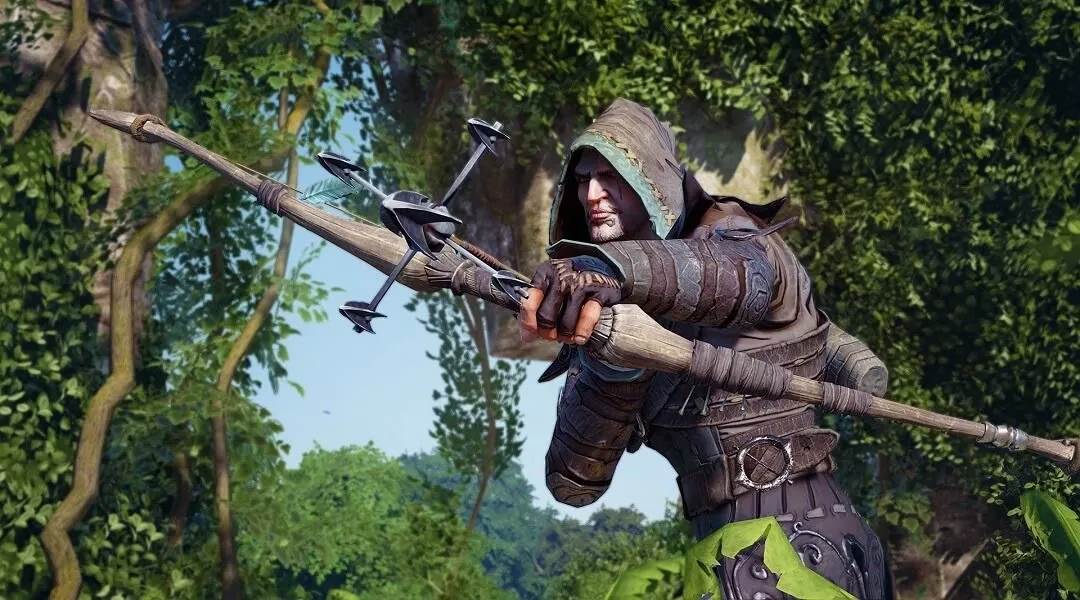
Fable Legends may never loose another arrow, but the franchise got a resurrection arc. Lionhead got a farewell. Press Play got a mystery box that will never be opened. And Microsoft got a lesson in how not to announce a cancellation: with a statement so vague it could double as a fortune cookie. The archer in the promotional art looks ready for battle. The irony is that the battle was already lost before the game ever reached the field.