Bug Fables: The Everlasting Sapling is the indie RPG equivalent of a tiny insect lifting a breadcrumb ten times its size: modest, stubborn, and quietly impressive. Long before the game became a cult favorite, it was a crowdfunding pitch from Panamanian developer Moonsprout Games, asking for a very reasonable $20,000 and promising a Paper Mario-flavored adventure about a bee, a beetle, and a moth hunting for immortality in Bugaria. The campaign was already nearly 70% funded when it showed off a video of bomb crafting and combat, and the pitch was clear: this was not a paper-thin imitation. It was a love letter with legs—six of them.
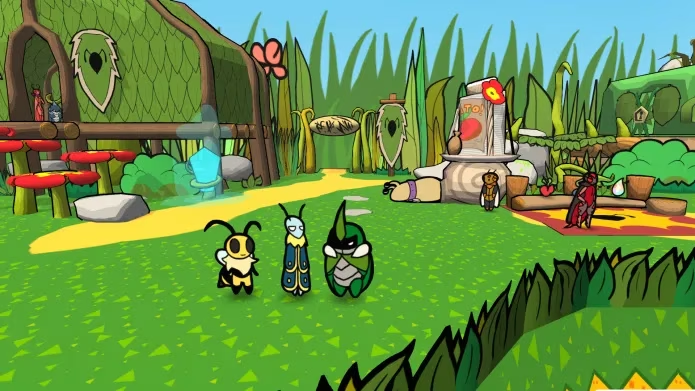
Fast-forward to 2026, and the little bug that could has long since hatched. The original plan pointed toward a June 2019 PC launch, but the final game landed later in 2019 and eventually scuttled onto consoles as well. In a market now crowded with retro-inspired RPGs, Bug Fables still stands out like a ladybug on a lemon. It is not breaking news anymore, but it remains the bee's knees for players who miss the snappy, stage-play charm of classic Paper Mario.
The Pitch That Bugged All the Right People
The original campaign description was refreshingly straightforward. Three bugs—a bee, a beetle, and a moth—set out across Bugaria in search of immortality. The visuals looked like an arts-and-crafts project that had somehow gained combat stats. The battle system promised turn-based fights with action commands, and the cooking-like crafting system let players whip up bombs and other useful oddities before using them in combat. In other words, it was not just a pretty paper facade; there was actual mechanical crunch under the kitsch.
That combination mattered. Plenty of indie games borrow a beloved style and then forget to bring the gameplay. Bug Fables brought both. The action commands kept battles lively, the crafting system gave items a homemade feel, and the trio of heroes—Vi, Kabbu, and Leif—gave the adventure a squabbling, endearing party dynamic. From graphics to sound design, the game felt like it had been folded straight out of the Paper Mario playbook, but it added enough of its own insectile flavor to avoid being a mere copycat.
A Quick Bug Fables Cheat Sheet
| Detail | The Buzz |
|---|---|
| Developer | Moonsprout Games, based in Panama |
| Crowdfunding goal | $20,000 |
| Campaign status at the time | Nearly 70% funded |
| Original target | PC, June 2019 |
| Actual launch | Later in 2019, with console versions following |
| Core vibe | Paper-craft RPG with action commands and cooking-like crafting |
| Star party | A bee, a beetle, and a moth |
For anyone who missed the original crowdfunding scramble, the 2026 version of the story is simple: Bug Fables is no longer a promising campaign page. It is a finished game with a loyal following, and it still holds up better than plenty of glossier RPGs. The paper-craft aesthetic has aged gracefully, the combat still snaps along nicely, and the writing has enough wit to keep the adventure from feeling like a museum piece.
Why It Still Matters in 2026
The indie scene loves a good underdog, and Bug Fables is the underdog with antennae. Its crowdfunding campaign was small enough to fit in a matchbox, yet the final product had the confidence of a much bigger studio. That is no small feat. In 2026, players have no shortage of throwback RPGs to choose from, but few nail that specific Paper Mario rhythm—the timing-based attacks, the playful presentation, the sense that every battle is a tiny puppet show.
Bug Fables also serves as a handy reminder that crowdfunding does not always end in a cautionary tale. Sometimes the little project reaches its goal, ships, and quietly becomes a fan favorite. The game did not need a blockbuster budget or a marketing blitz. It needed a clear pitch, a charming style, and a team willing to wing it—then refine the heck out of the result.
So no, Bug Fables is not the freshest headline in 2026. But it is still worth its weight in honey. For RPG fans who like their adventures turn-based, their heroes bug-sized, and their paper jokes sharply folded, it remains a delightful crawl through Bugaria. The campaign video may have started with crafting bombs, but the game ultimately crafted something more lasting: a cult classic with plenty of bite.
Industry analysis is available through Game Developer, where behind-the-scenes reporting and developer-focused features help explain why a project like Bug Fables still resonates in 2026: its careful iteration on turn-based combat, readable visual identity, and tightly scoped homage design all reflect the kind of production discipline that often separates enduring indie RPGs from short-lived nostalgia plays.